
Properly Drying Sports and Functional Clothing: Avoiding Odors, Protecting Coatings
Share
Spring is here – the perfect time to get your running jacket out of the closet. Whether it's running, fitness, or team sports: functional clothing is designed to quickly wick moisture away from the body. However, these high-performance materials are sensitive and react poorly if dried incorrectly – for example, with odors, reduced elasticity, or damaged coatings.
In this guide, you will learn how to keep your sports clothing hygienically fresh and preserve its function for as long as possible – with a focus on gentle, quick drying without heat.
Note: This article is based on common care principles and typical manufacturer recommendations. Always check the care label.
Why sports and functional clothing tends to smell faster
Many sports textiles are made from synthetic fibers like polyester or polyamide. While they dry quickly, they can bind odor molecules more strongly than cotton. If clothes remain damp for too long – for example, in a sports bag or laundry basket – bacteria multiply particularly well. This leads to the typical "sport smell."
Membranes & Coatings: Why heat can be problematic
Outdoor and performance items like running jackets use membranes or coatings to be water-repellent, windproof, and breathable. High temperatures can damage these structures in the long term.
Typical risks due to too much heat:
- Material stress for elastane/stretch
- Faster wear of coatings
- Loss of shape for thin jerseys or tights
The 4 most common drying mistakes
1) Sports clothing remains damp for too long
The classic: After training, the shirt goes into the bag – and only hours later into the wash. This is one of the main reasons for stubborn odors.
2) Too dense hanging on the clothesline
If clothes hang too close together or overlap, moisture accumulates. The drying time increases – and with it, the risk of odors.
3) Too much heat (dryer/heater)
Some items are tumble dryer safe, others are not. Constant heat can stress membranes, stretch, and coatings. The care label dictates.
4) Fabric softener for functional clothing
Fabric softener can "seal" fibers and impair breathability. Many manufacturers advise against it.
How to dry functional clothing gently – and still quickly
If you want to maintain functionality, air drying with good air movement is the gentlest method. The key is not just "hanging," but ensuring that air reaches all areas so that moisture is reliably transported away.
- Hang clothes loosely (leave space)
- Do not cover or layer
- Ensure even air circulation
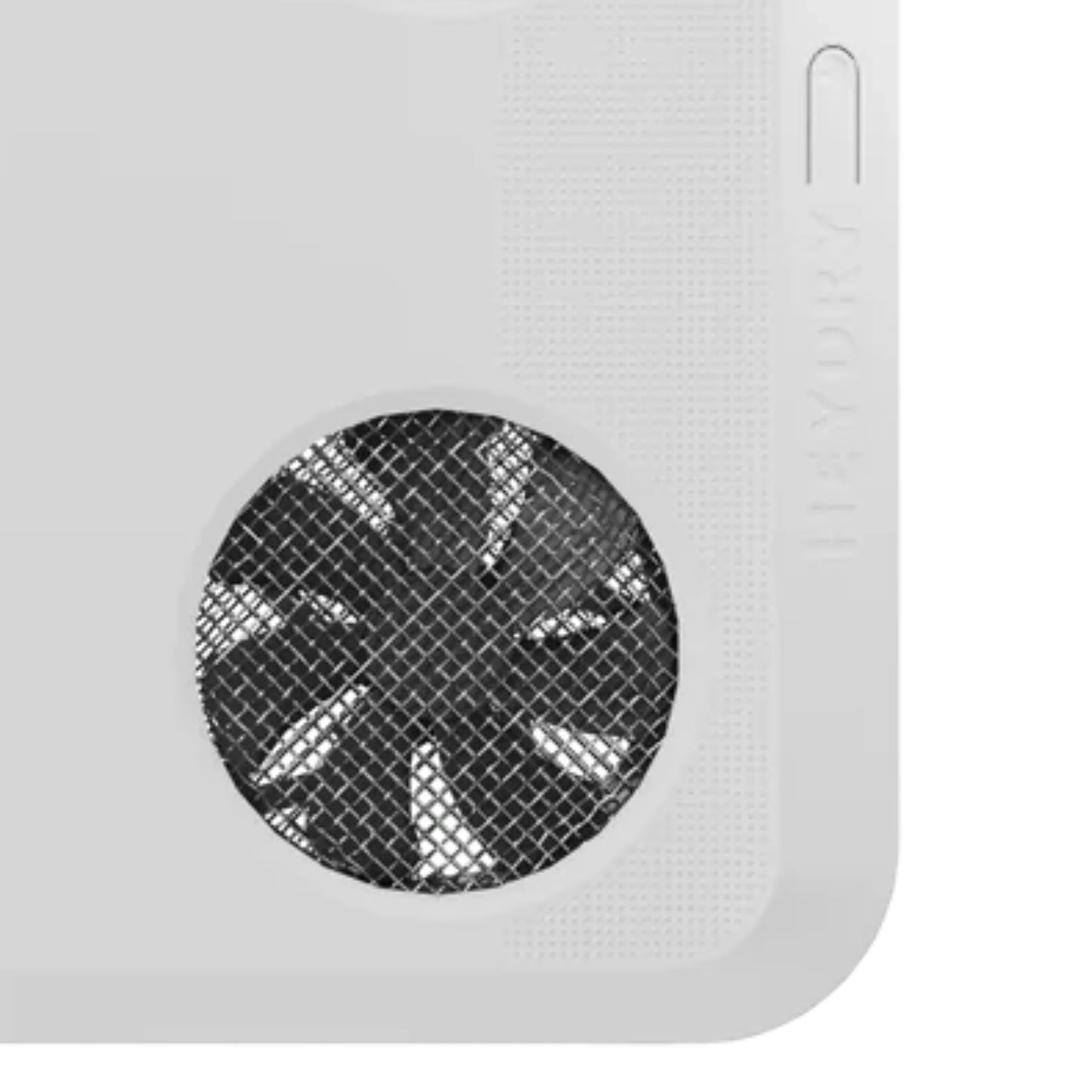
Tip: Functional clothing dries significantly faster when air is actively moved – for example, with an air circulation dryer like HEYDRY. This shortens the drying time without stressing the materials with heat.
Discover HEYDRYAvoiding odors: Mini-checklist after training
- Remove clothing from bag immediately and air out
- Wash as soon as possible
- Use sports detergent
- Do not use fabric softener
- Dry in a well-ventilated area (air circulation!)
FAQ
How do I dry functional clothing fastest – without a dryer?
Functional clothing dries fastest with active air circulation. Hang loosely, leave space, and ensure air movement – for example, with HEYDRY. This significantly shortens drying time without using heat.
Why does sports clothing sometimes smell permanently?
If clothes remain damp for too long, bacteria can settle deep in the fibers. This often happens when sports clothing is left in a bag or dries slowly. Quick drying reduces this risk.
Can functional clothing go in the dryer?
That depends on the care label. Many items are suitable for the gentle cycle, but membrane or coated clothing often is not. Air drying is the safest method.
Can I dry my running jacket on the heater?
Heater drying accelerates evaporation but can stress membranes and coatings. Gentle, even air movement without direct heat is better.
How long does functional clothing take to dry?
Depending on the material, 2–8 hours. In homes with little air movement (e.g., old buildings in winter), it can take significantly longer. With active air circulation, the time is considerably shortened.
Conclusion
Sports and functional clothing remains high-performance longest when it dries quickly but gently. Avoid long periods of dampness, hang clothes loosely, and rely on air circulation instead of heat – especially for membranes, stretch, and coated materials. This keeps your clothes fresh and functional longer.